Our model

Five integrated pillars that address health system weaknesses in rural Zimbabwe

10+

Years of
experience

3

Districts

Comprehensive, integrated, community‑led

Wild4Life combines clinical mentorship, MERL, community participation, sustainable infrastructure, and governance to transform rural health.

Capacity building for health workers

On‑job clinical mentorship & telehealth platforms, continuous evaluation for uniform quality.

MERL – data for decisions

Routine data + abstracts into W4L database; track KPIs across all donor projects, eliminating silos.

  • Community health workers & volunteers drive village‑level programs.
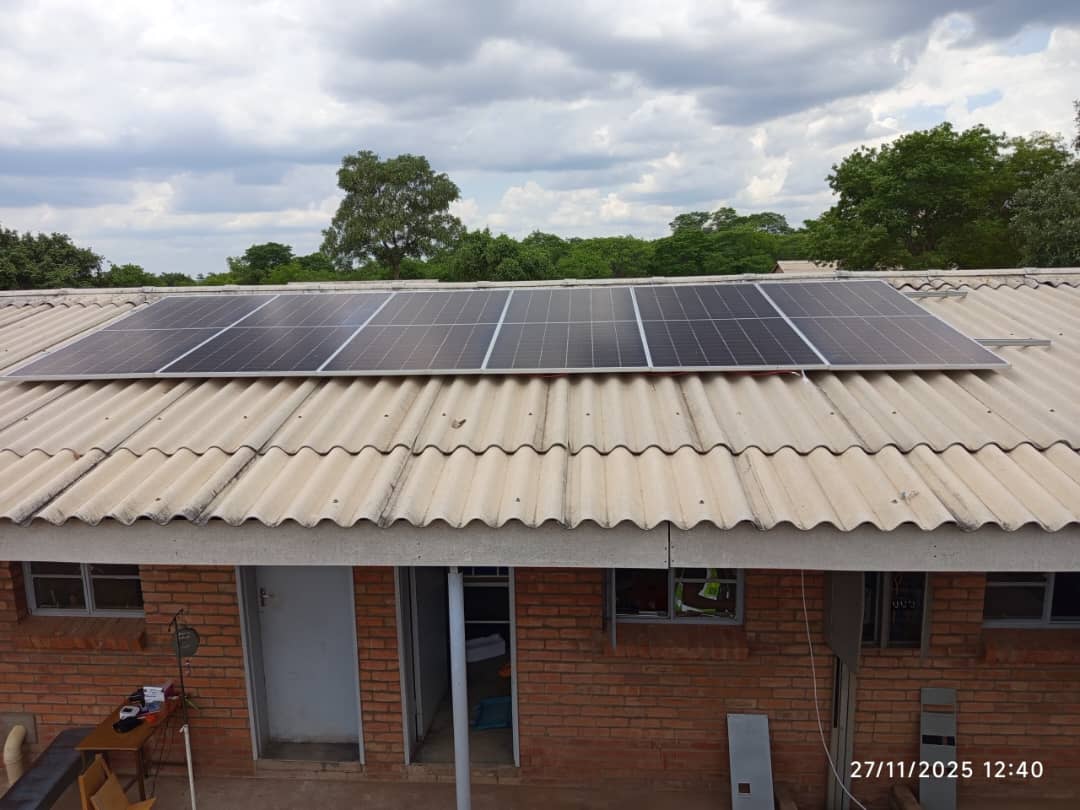
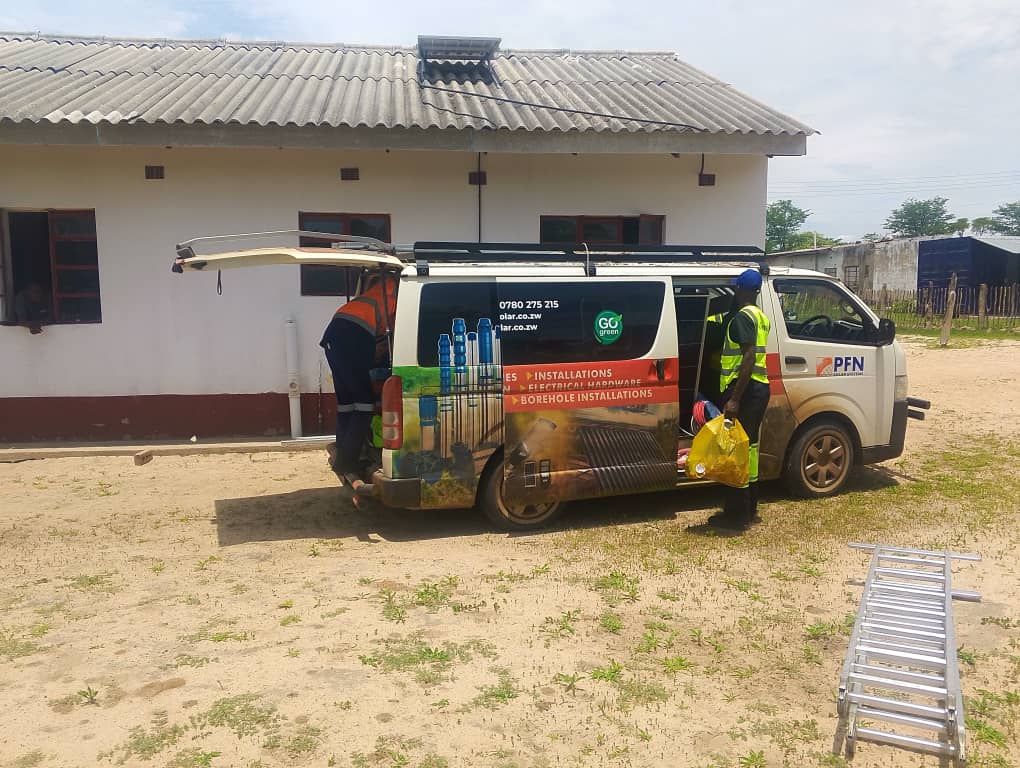
  • Infrastructure: water, solar, maternal waiting homes, drug storage.
  • Governance: DHEs & health centre committees for transparency.
Discover our interventions
Wild4Life official registration certificate
official certificate · PVO#40/2017

Certificate of Registration

PVO# 40/2017

Wild4Life Organisation – registered Private Voluntary Organization.
Trust Deed MA909/2012 · PVO registration renewed annually.
Ministry of Public Service, Labour and Social Welfare

Registered in Zimbabwe · In good standing

Core interventions

What makes the Wild4Life model uniquely effective

Integrated & mutually reinforcing

From clinical mentorship to gender transformation

We mentor multi‑disciplinary teams, conduct integrated outreaches, support VHW peer mentors, roll out differentiated service delivery, facilitate health centre committee exchanges, and lead community dialogues on gender norms.

Community health outreach

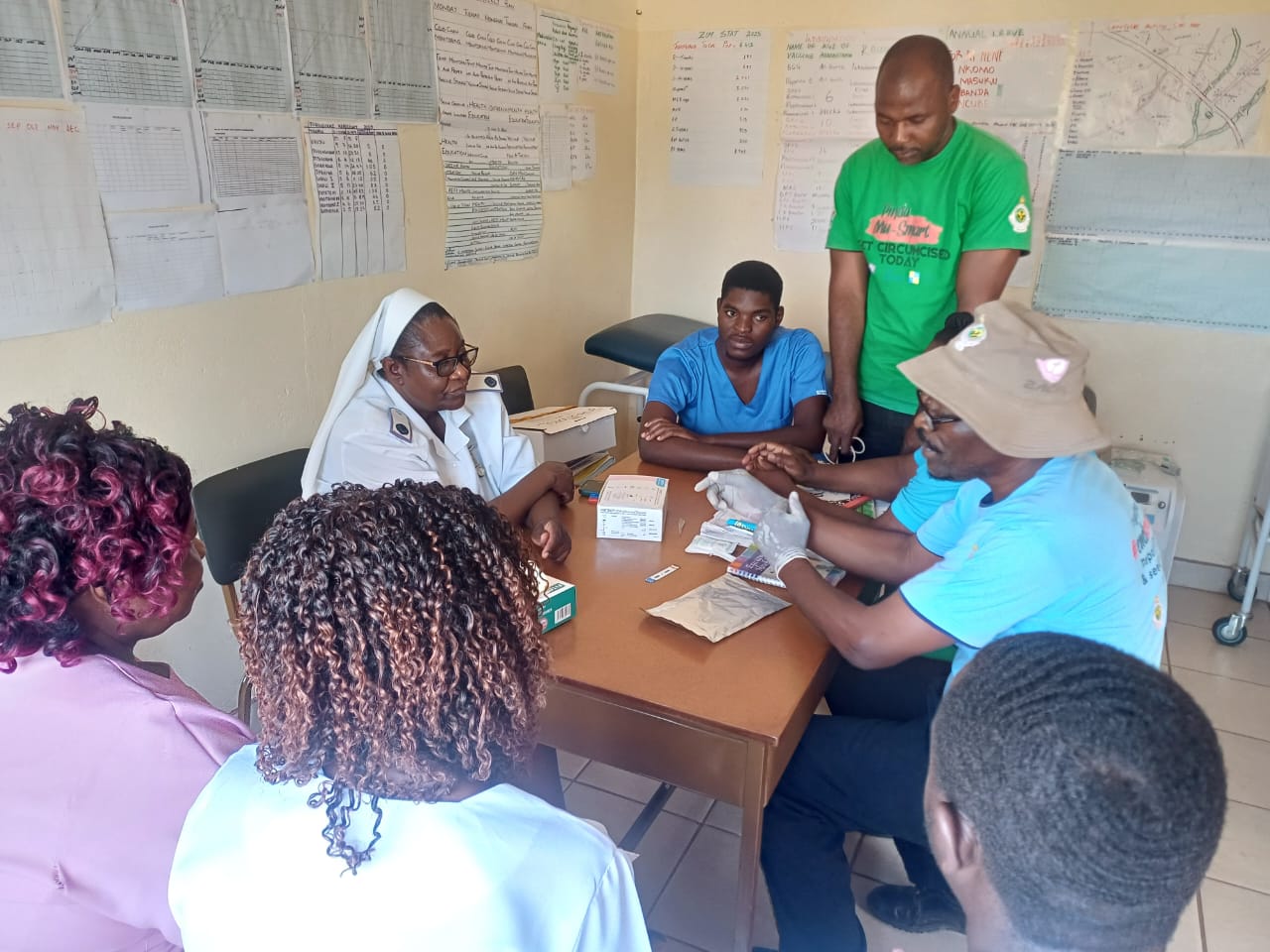
Integrated Clinical Mentorship

Multi‑disciplinary teams mentor on HIV, TB, IMNCI, MNCH, mental health – plus M&E, pharmacy, CQI targets.

01

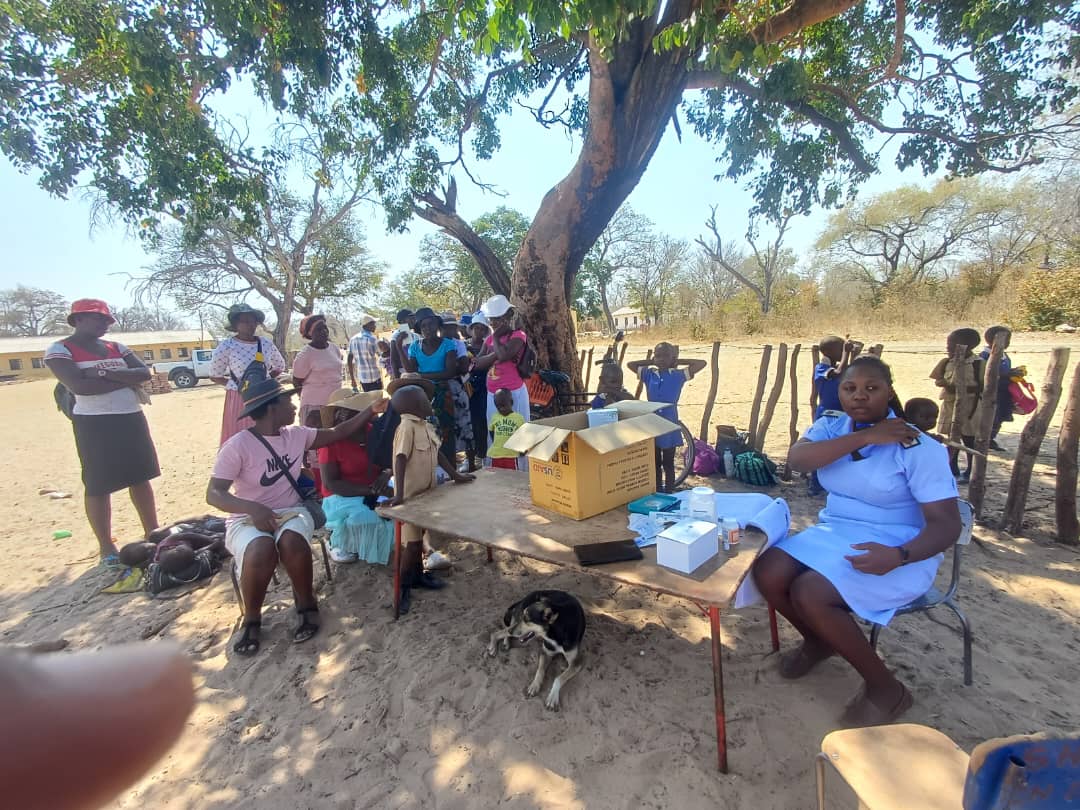
Integrated Primary Care Outreaches

Mentors join nurses in remote villages offering acute dental, ophthalmic care – attracting patients for HIV testing, family planning, etc.

02

VHW Mentorship & peer mentors

Assessing village health workers, creating a sub‑cadre of VHW peer mentors for continuous on‑job training.

03

Differentiated service delivery

CARGS, FARGS, Fast Track, support groups – decongest clinics, improve adherence, free nurse time.

04

Community dialogues & gender norms

Communities discuss health concerns, introspect on gender stereotypes, and drive transformation.

05

Our five pillars

Capacity · MERL · Community · Infrastructure · Governance

Capacity building

Integrated clinical mentorship, telehealth, CQI – strengthening health worker competences.

MERL

Data for decisions – routine data + abstracts, W4L database, KPIs across all projects.

Community‑centric

VHWs drive programs, outreach to remotest areas, community groups generate demand.

Sustainable infrastructure

Water/sanitation, maternal waiting homes, equipment, drug storage – WHO‑SARA based.

Governance & leadership

DHEs, health centre committees, transparency, accountability – continuity beyond Wild4Life.

Technology integration

Telehealth, helpline, telemedicine – improving access, shortening turnaround, strengthening mentorship.

Theory of Change

Mutually reinforcing drivers of impact

Strengthening provider competencies, increasing access, district coordination, data quality, and community capacities lead to stronger coordination, improved demand and uptake – ultimately healthy communities.

Comprehensive

All primary care needs, mutually reinforcing.

Tailored & sustainable

Support per facility weakness, built for continuity.

WhatsApp us Contact team
Data‑driven CQI
rural clinic
Rated 8.3/10 (external eval)
Community driven

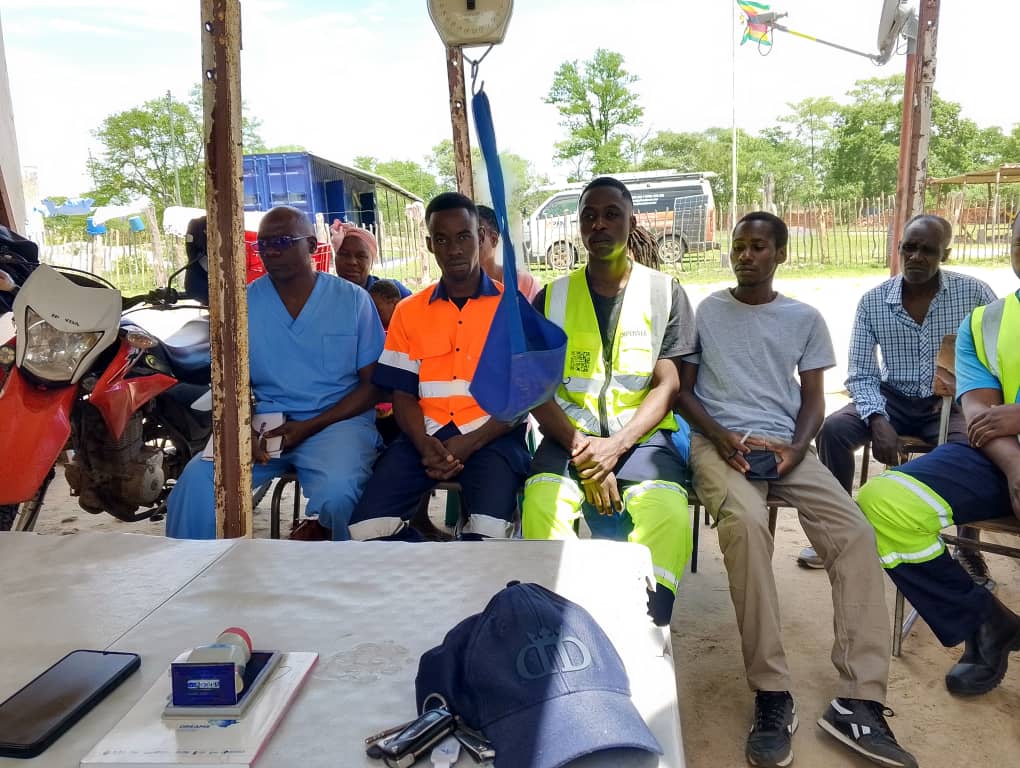
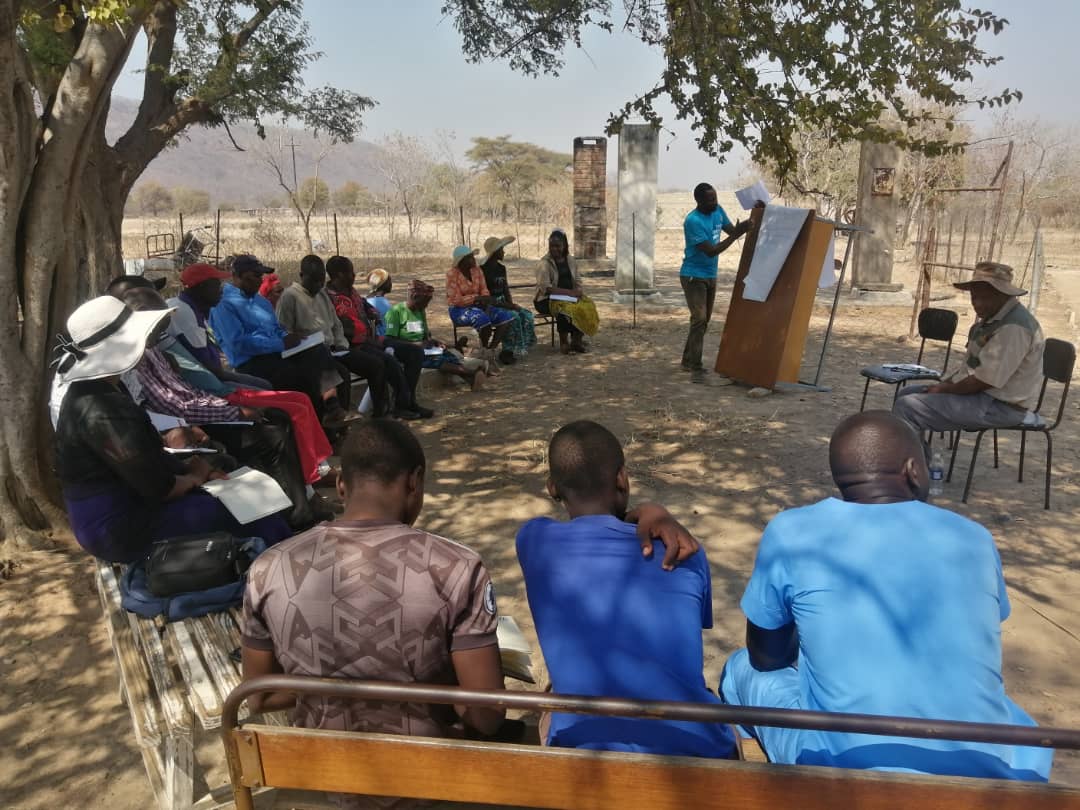
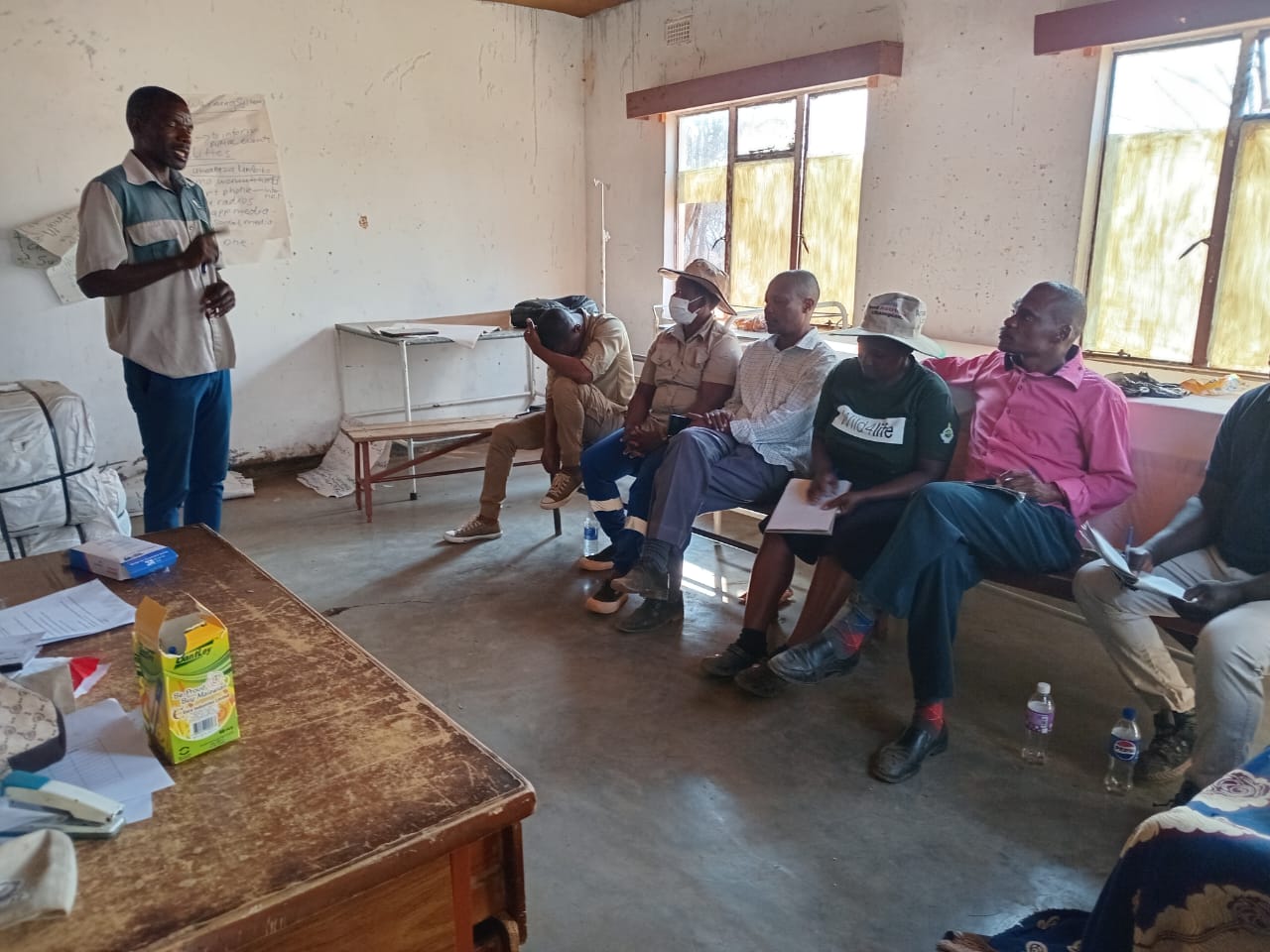
Work snippets

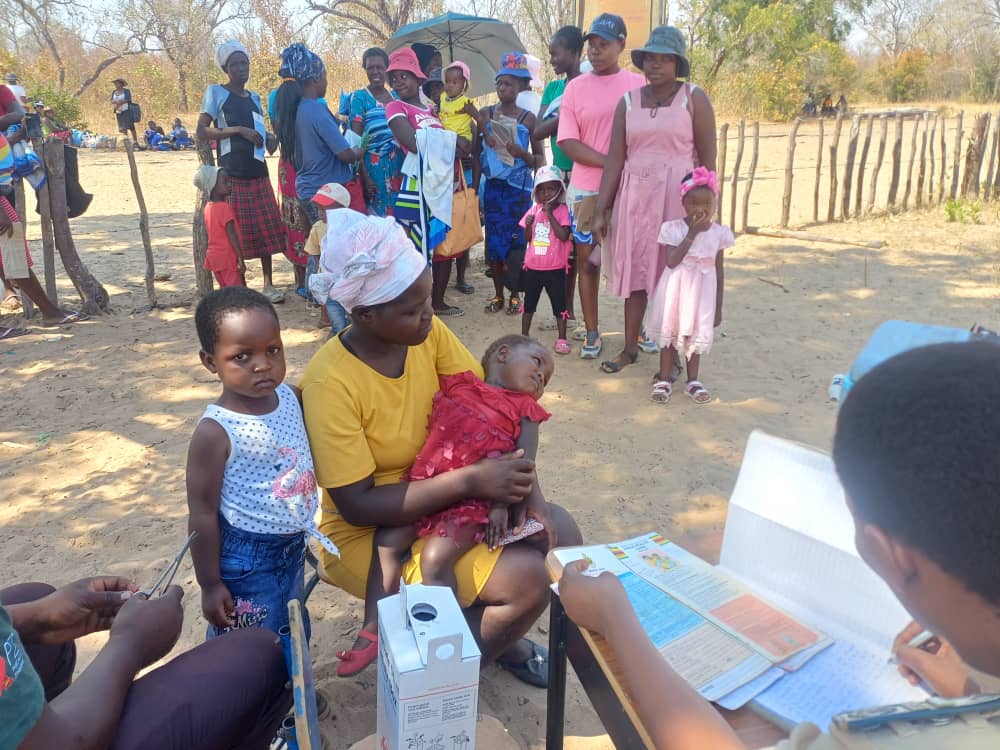
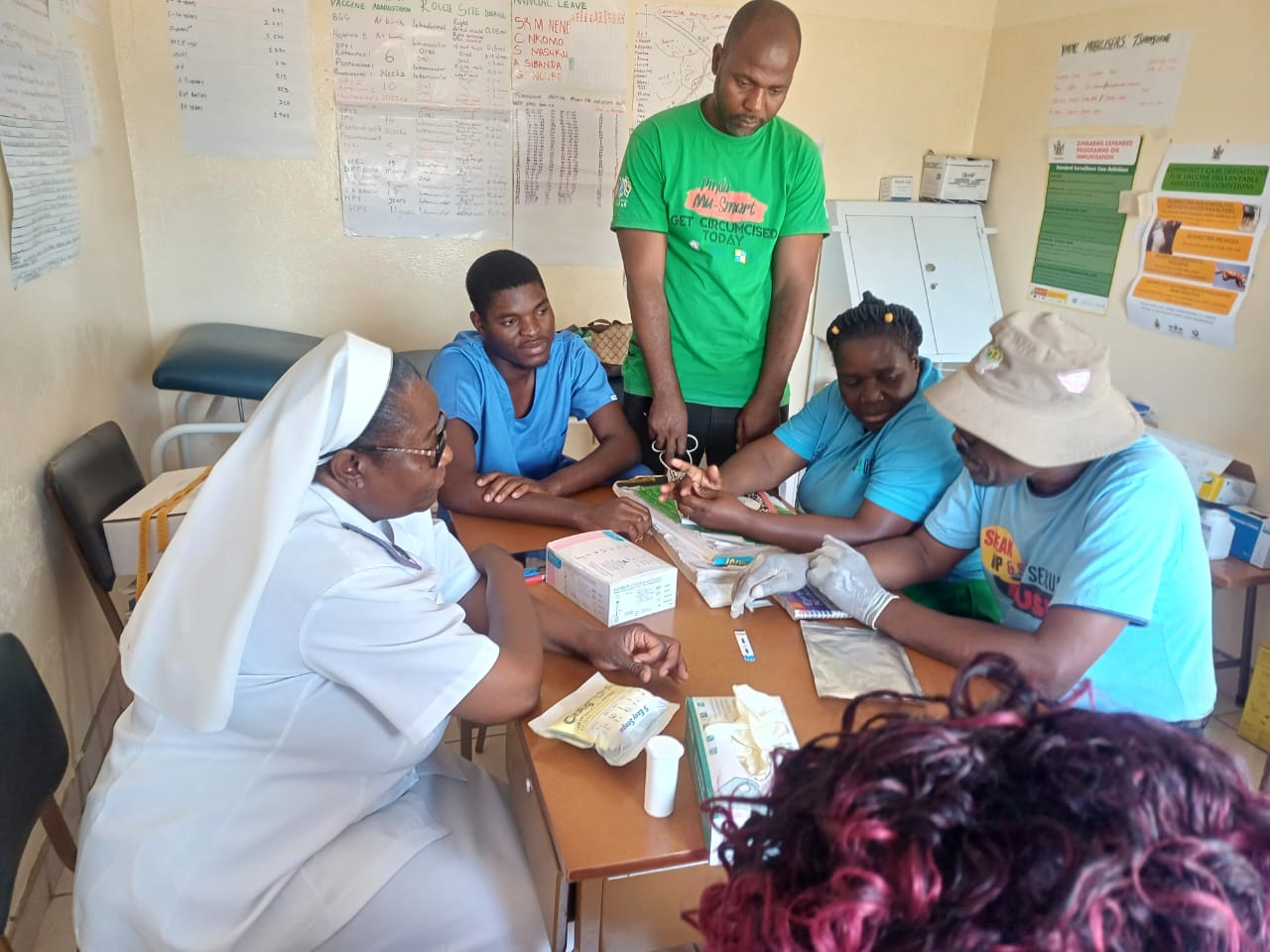
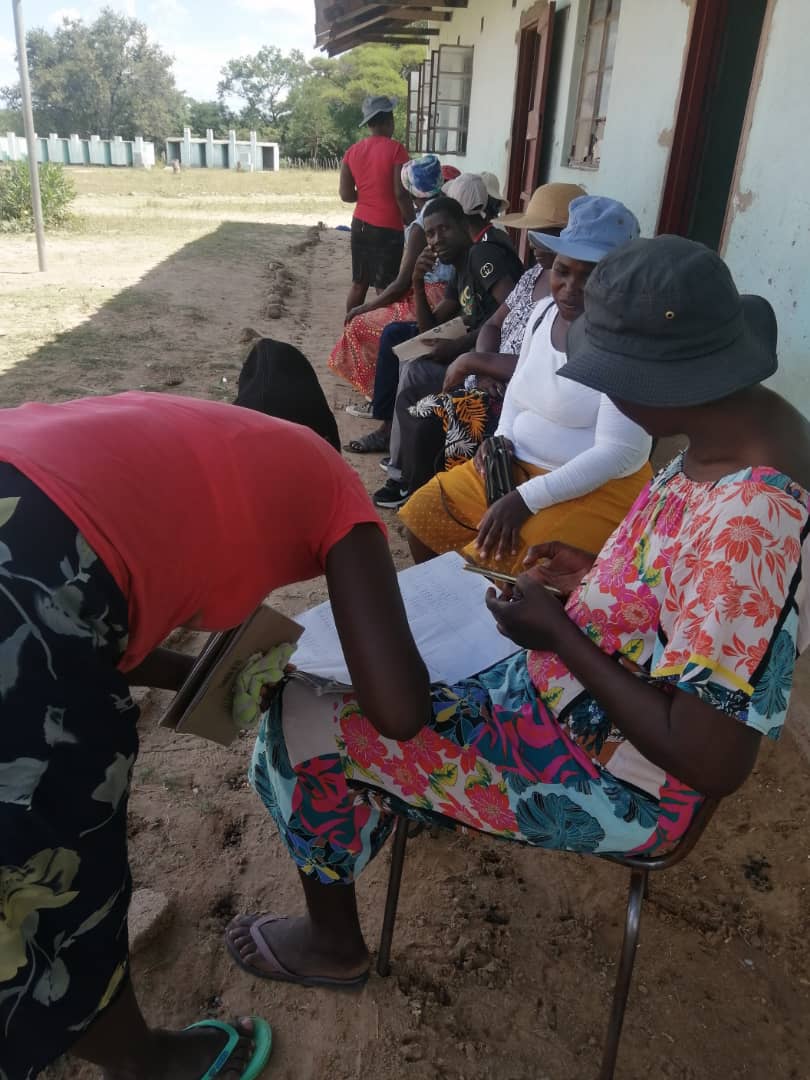
Moments from our interventions in Matabeleland North

Frequently Asked Questions

About Wild4Life integrated health model

What areas does Wild4Life cover?

Binga, Hwange and Lupane districts in Matabeleland North, Zimbabwe – focusing on the hardest‑to‑reach rural communities.

How is the model different from other health programs?

It combines five pillars (mentorship, MERL, community, infrastructure, governance) that are mutually reinforcing, and it tailors support to each facility’s weaknesses using minimal external inputs.

Do you work with the Ministry of Health?

Yes, all activities are done through existing public health facilities, and we collaborate closely with MOHCC and health centre committees.

How can I refer someone to your services?

Contact us via WhatsApp +263 778 378 061 or call +263 712 582 550. We work directly with communities and health facilities.

Contact Us

Reach out to Wild4Life for partnerships, inquiries, or support

Location

Office 22, Hwange Colliery Hospital Health Department Hwange, Zimbabwe

Open Hours

Mon‑Fri 8AM‑5PM (field activities flexible)

Send a message

For partnership inquiries or to learn more about our model.

Loading
Your message has been sent. Thank you!

From Our Blog

Stories, updates, and field insights from our programmes in Matabeleland North