Integrated Clinical Mentorship
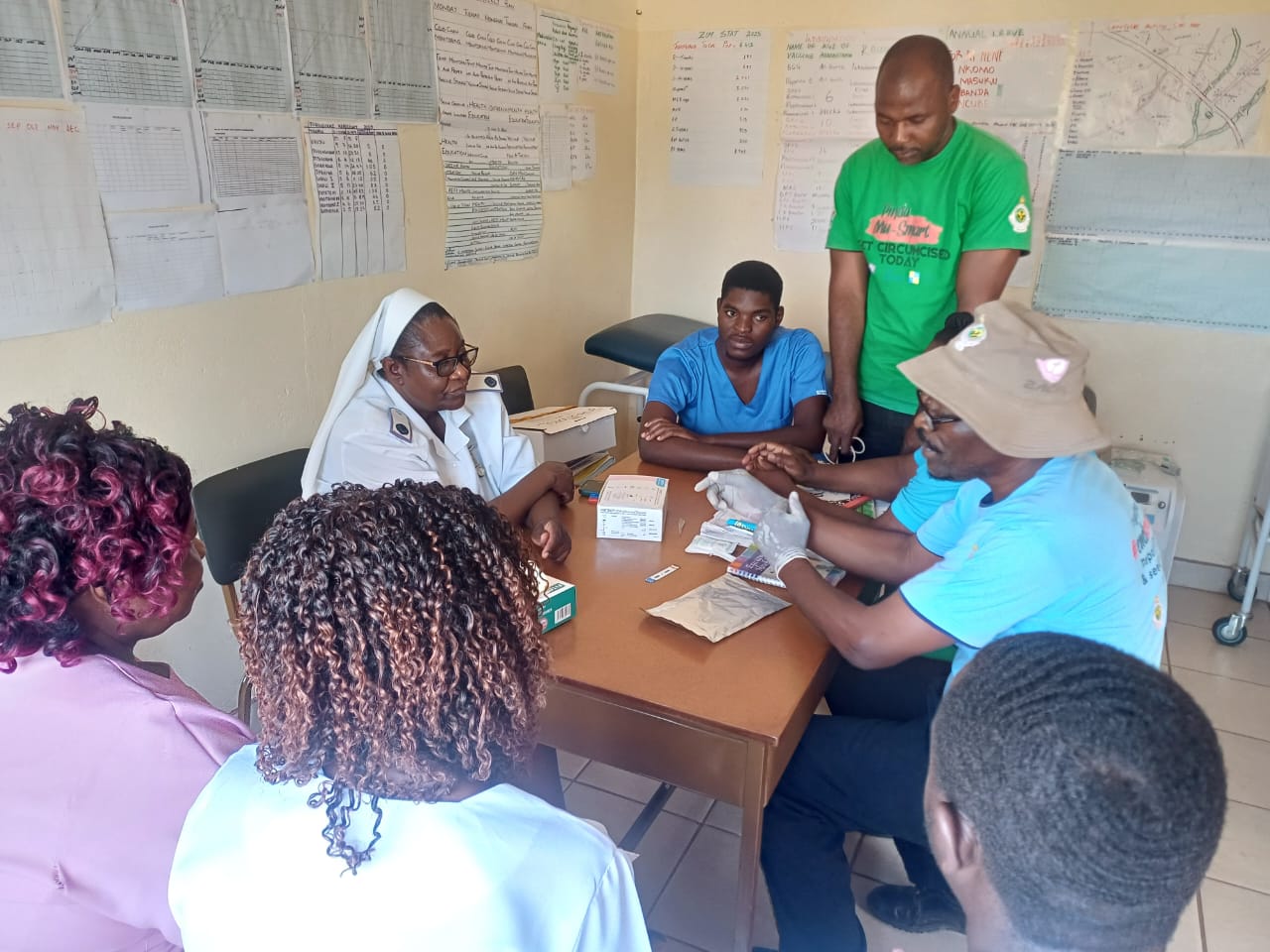
Multi‑disciplinary teams mentor on HIV, TB, IMNCI, MNCH, mental health – plus M&E, pharmacy, CQI targets.
01
Strengthening rural health systems in Zimbabwe’s hardest‑to‑reach communities through an integrated, community‑centred model.
What makes the Wild4Life model uniquely effective
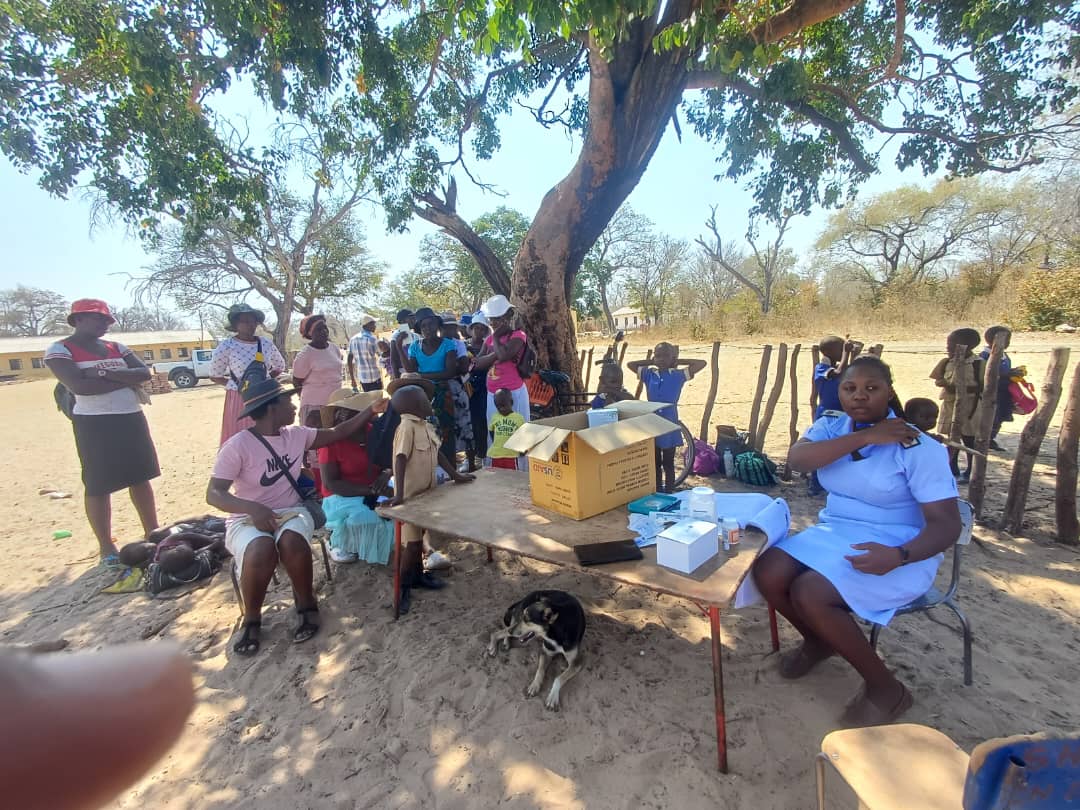
We mentor multi‑disciplinary teams, conduct integrated outreaches, support VHW peer mentors, roll out differentiated service delivery, facilitate health centre committee exchanges, and lead community dialogues on gender norms.

Capacity · MERL · Community · Infrastructure · Governance
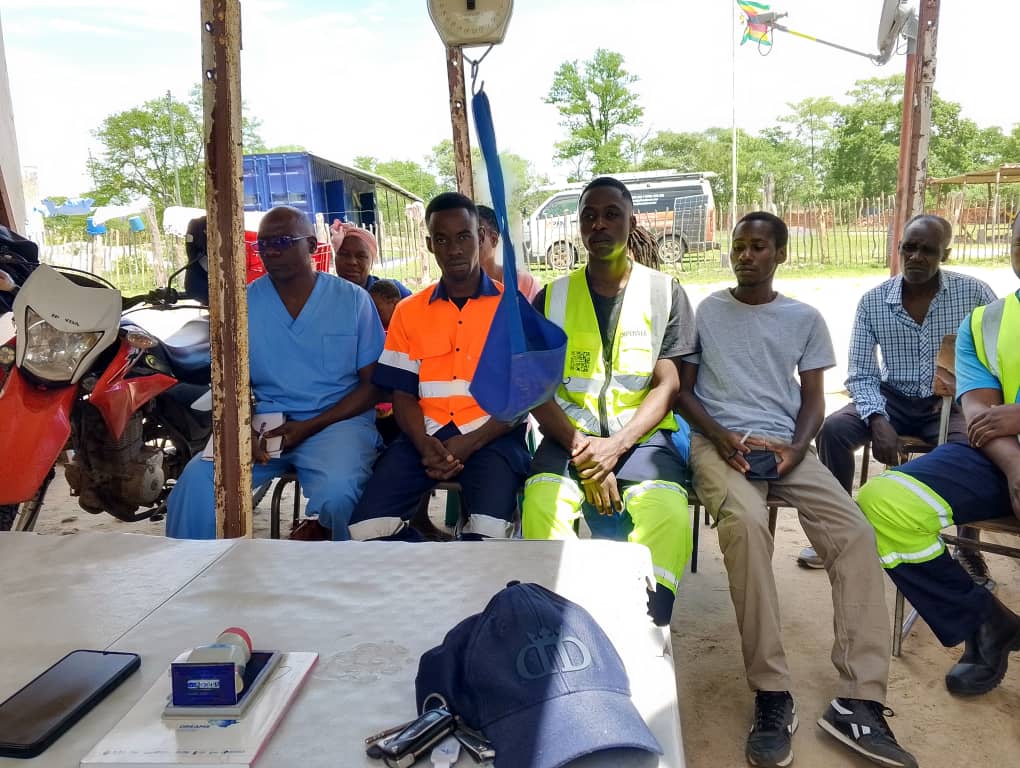
Integrated clinical mentorship, telehealth, CQI – strengthening health worker competences.
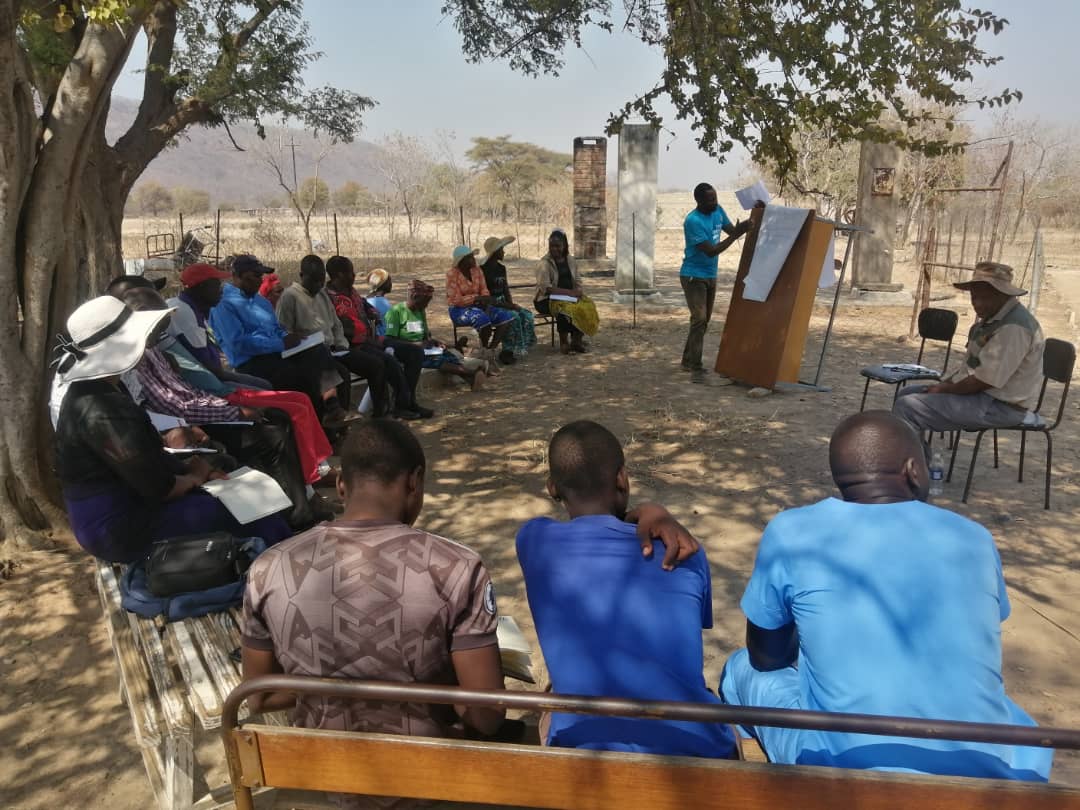
Data for decisions – routine data + abstracts, W4L database, KPIs across all projects.
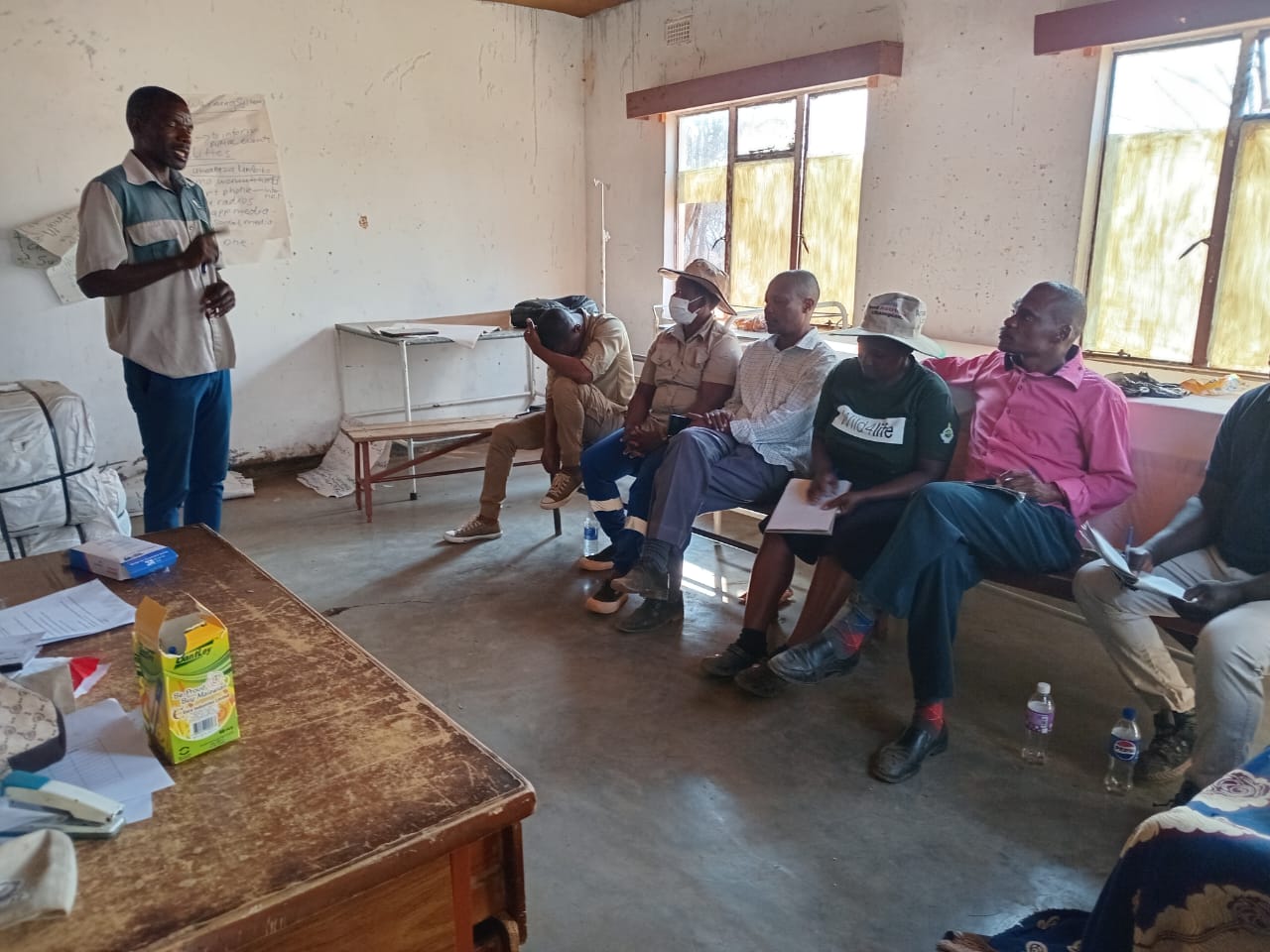
VHWs drive programs, outreach to remotest areas, community groups generate demand.
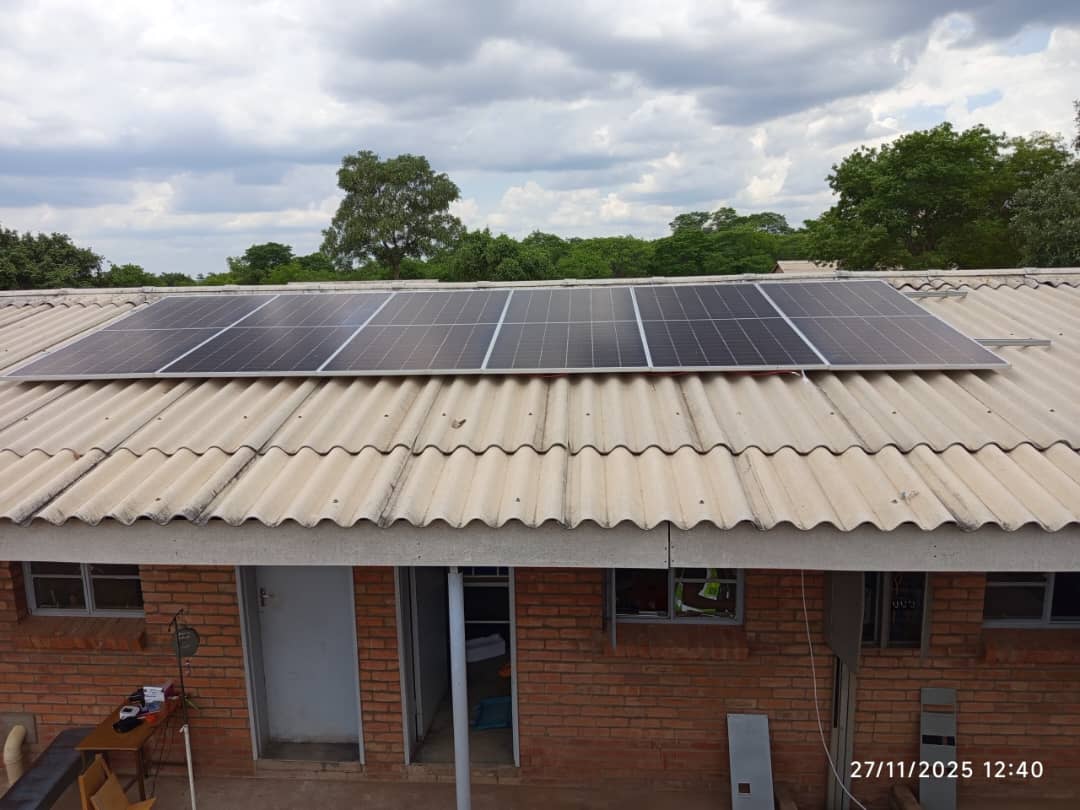
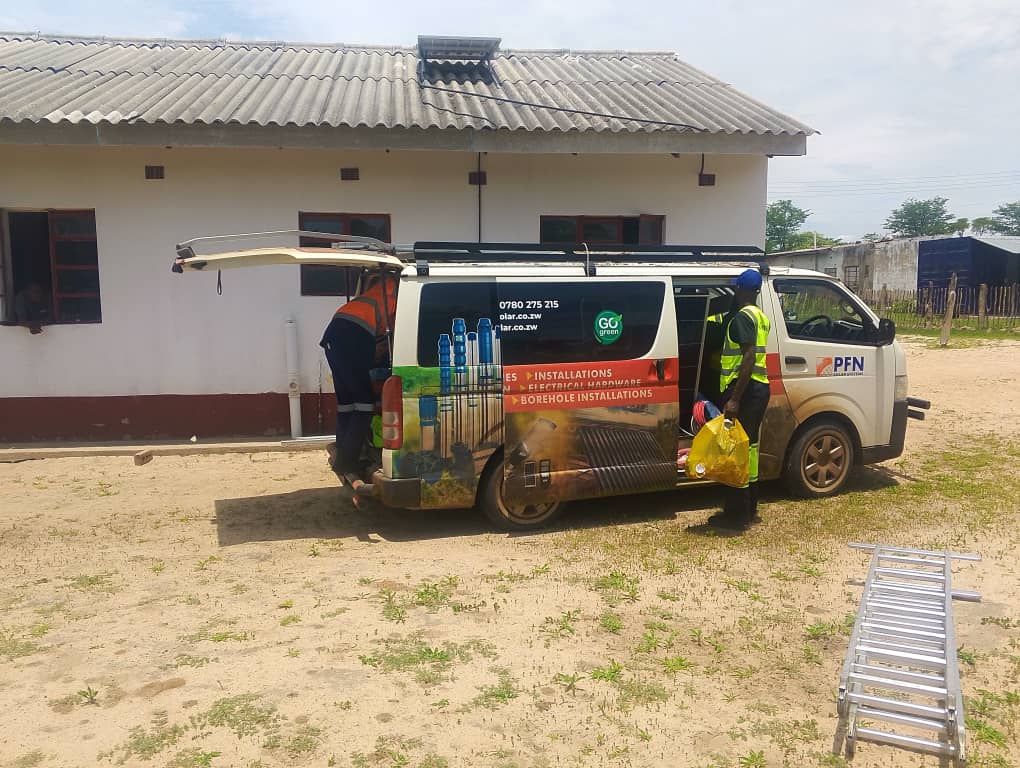
Water/sanitation, maternal waiting homes, equipment, drug storage.
DHEs, health centre committees, transparency, accountability – continuity beyond Wild4Life.
Telehealth, helpline, telemedicine – improving access and strengthening mentorship.
Strengthening provider competencies, increasing access, district coordination, data quality, and community capacities lead to stronger coordination, improved demand and uptake – ultimately healthy communities.